Should you use a private label manufacturer or make cosmetics in-house?

For most early-stage brands, using a private label or contract cosmetics manufacturer is the smarter starting point. Building your own production facility requires significant capital investment, technical expertise, and regulatory infrastructure that most founders simply do not have on day one. If you are launching a natural personal care line in 2026, partnering with an experienced manufacturer lets you move faster, spend less upfront, and focus on what actually grows your brand.

The right choice ultimately depends on your stage, budget, and how much control you need over your formulas. The sections below break down the real trade-offs across cost, quality, control, and natural ingredient standards so you can make a confident decision.

What are the real costs of making cosmetics in-house?

Making cosmetics in-house requires substantial upfront investment before you sell a single unit. You will need to cover laboratory equipment, production machinery, raw material sourcing, quality control systems, and regulatory compliance infrastructure. Ongoing costs include skilled staff, facility maintenance, and ingredient storage. For most startups, these combined expenses run well into six figures before production even begins.

Beyond the obvious equipment costs, in-house production carries hidden financial risks that are easy to underestimate. Sourcing high-quality raw materials at small volumes is expensive because you lose the purchasing leverage that established manufacturers have built over years. You also absorb the full cost of failed batches, reformulation cycles, and compliance testing without anyone to share the burden.

Staff costs are another significant factor. Developing safe, effective cosmetic formulas requires trained cosmetic chemists. Hiring, training, and retaining that expertise is costly, and if a key person leaves, your production capability goes with them. When you add up equipment, premises, staff, compliance, and raw materials, in-house production rarely makes financial sense until a brand reaches a meaningful production scale.

What does a private label cosmetics manufacturer actually do?

A private label cosmetics manufacturer develops and produces finished products that brands sell under their own name. They handle formulation, ingredient sourcing, production, quality testing, and often packaging guidance. Brands provide the brief, the positioning, and the branding; the manufacturer delivers a market-ready product. Contract manufacturers go further by developing custom formulas built specifically around a brand’s requirements.

The distinction between private label and contract manufacturing matters. Private label typically means selecting from a range of pre-existing formulas and applying your branding to them. Contract manufacturing involves developing a formula from scratch or significantly adapting an existing base to meet your specific brief. For brands that want a genuinely unique product, contract manufacturing is the more appropriate route.

A good manufacturing partner also brings value beyond production. Working with a specialist manufacturer means you gain access to ingredient recommendations, packaging suggestions, and regulatory guidance — the kind of ongoing support that is particularly valuable for emerging brands navigating the complexity of natural cosmetics for the first time.

Which option gives you more control over your formula?

Contract cosmetics manufacturing gives you more formula control than in-house production might suggest, and significantly more than standard private label. With a contract manufacturer, you co-develop the formula to your exact specifications, own the brief, and can request changes as your brand evolves. In-house production only offers more control if you already have the technical expertise to exercise it meaningfully.

Many founders assume that making products themselves gives them total control. In practice, control without expertise leads to inconsistency. A trained formulation team working to your brief will produce a more stable, consistent, and compliant product than a founder experimenting in a rented kitchen lab. The real question is not who physically makes the product, but who has the knowledge to make it well and to your specification.

When choosing a contract manufacturer, the key is ensuring your formula is protected through a clear agreement covering intellectual property and exclusivity. A reputable manufacturer will document this properly from the start so you retain ownership of what you have developed together.

How do natural ingredient standards affect your manufacturing choice?

Working with natural ingredients introduces sourcing, stability, and compliance complexities that make manufacturing partner selection especially important. Natural raw materials vary in quality, purity, and availability depending on harvest seasons and supply chains. A manufacturer with an established network of ethically sourced suppliers and a deep portfolio of natural ingredients can navigate these challenges far more reliably than a brand building that network from scratch.

Natural formulations also behave differently in production. Emulsions can be less stable, preservation is more complex without synthetic preservatives, and certain active botanicals require specific processing conditions to retain their efficacy. These are technical challenges that require hands-on experience to solve consistently at scale.

For brands committed to sustainability, the manufacturer’s own sourcing standards matter as much as the formula itself. When evaluating a potential manufacturing partner, look for genuine supply chain transparency — the ability to name suppliers, share sourcing standards, and back natural claims with documentation rather than marketing language.

When does it make sense to bring production in-house?

Bringing cosmetics production in-house makes sense when your brand has reached a production volume where the per-unit cost of outsourcing exceeds the cost of running your own facility, and when you have the technical team to operate it safely and compliantly. For most brands, this threshold is high and takes years to reach. It is a growth milestone, not a starting point.

There are specific scenarios where in-house production becomes worth exploring:

  • You are producing at very high volume and margins are being compressed by manufacturing fees
  • Your product requires proprietary processes that you cannot protect through a contract manufacturer
  • You have acquired or can hire the formulation and production expertise needed to operate independently
  • You are in a market where local manufacturing is a core part of your brand story and customer expectation

Even at scale, many successful cosmetic brands continue to use contract manufacturers because the flexibility, expertise, and lower fixed cost structure remain advantageous. Bringing production in-house is not inherently better; it is simply a different model that suits a specific stage and strategic context.

Should a startup use a private label manufacturer to launch faster?

Yes, startups should strongly consider using a contract or private label cosmetics manufacturer to launch faster. The speed advantage is real and significant. A manufacturer with established processes, tested formulas, and sourced ingredients can take a brand from brief to finished product in a fraction of the time it would take to build that capability internally. For a startup, speed to market often determines whether an opportunity is captured or missed.

Beyond speed, risk reduction is just as important. Launching through an experienced manufacturer means your product arrives with quality testing, stability data, and compliance documentation already in place. You are not guessing whether your formula is safe or shelf-stable; you have a partner whose reputation depends on getting that right.

For natural and sustainable brands in particular, working with a specialist contract manufacturer from the start sends a credible signal to retailers and consumers. Your supply chain story is built in from day one rather than retrofitted later. Whether you are looking for a small custom batch to test the market or scaling toward larger volumes, partnering with a manufacturer who understands natural cosmetics gives you a strong, credible foundation to build from.

How Rebel Nature helps with private label and contract cosmetics manufacturing

Rebel Nature is a specialist natural cosmetics manufacturer built specifically for brands that want to move quickly, maintain formula integrity, and launch with genuine credibility. Whether you are choosing between private label and contract manufacturing for the first time or looking to scale an existing natural range, Rebel Nature provides end-to-end support across every stage of the process:

  • Custom and private label formulation — co-develop a formula to your exact brief or select from an established base, with full formula ownership and exclusivity agreements in place from the start
  • Natural ingredient expertise — access to a portfolio of over 500 ethically sourced raw materials, with transparent supply chain documentation to back every natural claim your brand makes
  • Flexible minimum order quantities — low MOQs designed for emerging brands, so you can validate your product in the market before committing to large production runs
  • Compliance and regulatory support — full documentation including Product Information Files, stability testing data, and Certificates of Analysis provided as standard
  • Ongoing brand support — ingredient recommendations, packaging guidance, and formulation advice throughout your product development journey, not just at launch

If you are ready to launch a natural cosmetics line with a manufacturing partner who understands the complexity of natural formulations, get in touch with Rebel Nature to discuss your brief and find out how we can help you bring your product to market with confidence.

Frequently Asked Questions

What minimum order quantities should I expect when working with a contract cosmetics manufacturer?

Minimum order quantities (MOQs) vary significantly between manufacturers, but most contract cosmetics manufacturers require between 100 and 500 units per SKU for small-batch runs, with larger facilities often setting minimums of 1,000 units or more. As a startup, it is worth specifically seeking out manufacturers who cater to emerging brands and offer lower MOQs, even if the per-unit cost is higher at that stage. Starting with smaller runs lets you validate your product in the market before committing to larger inventory investments.

How do I protect my formula and brand IP when working with a contract manufacturer?

Before sharing any proprietary brief or formulation details, ensure you have a signed Non-Disclosure Agreement (NDA) and a clear contract that explicitly states formula ownership, exclusivity terms, and what happens to your formulation data if the relationship ends. A reputable manufacturer will have no hesitation in signing these agreements upfront. You should also clarify whether the manufacturer produces similar products for competing brands, and if exclusivity matters to your positioning, negotiate that into your agreement from the start.

How long does the product development process typically take with a contract manufacturer?

For a contract-manufactured product using a customised formula, the development timeline typically runs between 3 and 6 months from initial brief to finished, approved product — though this can vary based on formula complexity, packaging lead times, and how many revision rounds are needed. Private label products built on existing base formulas can move significantly faster, sometimes reaching market-ready status in 6 to 10 weeks. Building in realistic timelines from the start, especially for your first product, will help you avoid rushed decisions that compromise quality.

What certifications or compliance documentation should I ask my manufacturer to provide?

At a minimum, you should request a Product Information File (PIF), safety assessment documentation, stability testing data, and a Certificate of Analysis (CoA) for each batch produced. If your brand makes specific claims — such as organic, vegan, or cruelty-free — confirm that your manufacturer can support those certifications with the appropriate third-party accreditation or documentation. For natural cosmetics brands targeting retail, having this compliance paperwork in order from your first production run will significantly smooth the path to getting listed with retailers and distributors.

What are the most common mistakes founders make when choosing a cosmetics manufacturer?

The most common mistake is choosing a manufacturer based primarily on price, without properly evaluating their experience with natural formulations, their quality control processes, or their willingness to provide ongoing support. Another frequent misstep is failing to request samples and stability data before committing to a production run — always test finished samples across different conditions before signing off. Finally, many founders underestimate the importance of communication and responsiveness; a manufacturer who is slow to respond during the sales process is unlikely to become more attentive once you are a client.

Can I switch manufacturers later if my brand outgrows the current one, or if I want to bring production in-house?

Yes, switching manufacturers is possible, but it requires careful planning to avoid supply disruptions or formula inconsistencies. If your contract includes formula ownership clauses, you can take your formulation brief to a new manufacturer and go through a re-validation and stability testing process to ensure the product performs identically. The transition period — during which you are running down existing stock while onboarding a new supplier — needs to be managed carefully to avoid gaps in availability, especially if you are supplying retailers with contracted replenishment schedules.

How do I evaluate whether a manufacturer's natural ingredient sourcing is genuinely ethical and not just marketing language?

Ask for specific details: which certifying bodies accredit their raw material suppliers, whether they can provide traceability documentation for key botanicals, and how they handle supply chain disruptions when a specific ingredient is unavailable. Genuine transparency in this area means a manufacturer should be able to name their suppliers, share sourcing standards, and explain how they verify compliance — not just point to a page on their website. If a manufacturer cannot answer these questions with specifics, that is a strong signal that their natural and ethical claims are more marketing than substance.

How do you start working with a private label cosmetics manufacturer?

To start working with a private label cosmetics manufacturer, you reach out with a product concept, go through a development and sampling phase, approve a final formula, and then move into production. The process is more collaborative than most new brands expect, and the best manufacturers will guide you through each step rather than leaving you to figure it out alone. Below, we answer the most common questions founders ask before and during their first manufacturing partnership.

What does a private label cosmetics manufacturer actually do?

A private label cosmetics manufacturer develops and produces finished personal care products that you sell under your own brand name. They handle the formulation, sourcing of raw materials, production, filling, and often quality testing, so you can focus on building your brand rather than running a lab. Some manufacturers also support packaging selection and regulatory compliance.

The scope of what a manufacturer covers varies, but a full-service contract cosmetics manufacturing partner typically handles:

  • Formula development based on your brief or concept
  • Sourcing and vetting of raw materials
  • Small-batch sampling and iteration
  • Scale-up production for commercial orders
  • Quality control and stability testing
  • Regulatory documentation such as product information files

The distinction between private label and contract manufacturing is worth knowing. Private label means you choose from existing, ready-to-go formulas and put your branding on them. Contract manufacturing means a formula is developed specifically for your brand. Many manufacturers offer both routes, which gives early-stage brands flexibility depending on their budget and timeline.

What should you prepare before approaching a manufacturer?

Before contacting a manufacturer, you should have a clear product concept, a rough idea of your target market, a realistic budget, and an understanding of your minimum order requirements. You do not need a finished brief or technical knowledge, but the more context you can share upfront, the faster and more productive the first conversation will be.

Practically speaking, it helps to prepare the following before your first outreach:

  1. Product type and format: Are you launching a face cream, a shampoo, a body wash? Knowing the category narrows the conversation immediately.
  2. Key ingredient preferences: If sustainability or natural sourcing matters to your brand, say so early. Manufacturers who specialise in natural formulations need to know this is a priority.
  3. Brand positioning: Who is your customer, and what values does your brand represent? This shapes formula decisions, packaging choices, and ingredient sourcing.
  4. Target launch timeline: Be honest about when you want to go to market. Rushing a timeline rarely ends well, but manufacturers can plan better when they know your goals.
  5. Budget range: You do not need an exact figure, but knowing whether you are working with a startup budget or a larger investment helps manufacturers suggest appropriate routes.

You do not need to arrive with a technical specification sheet. A good manufacturing partner will help you translate your concept into a workable brief. What matters most is that you have thought through your brand and your customer clearly enough to have a real conversation.

How do you evaluate whether a cosmetics manufacturer is the right fit?

To evaluate a cosmetics manufacturer, look at their ingredient standards, minimum order quantities, communication style, regulatory expertise, and track record with brands at your stage. A manufacturer that works well for a large established brand may not be the right partner for a startup launching its first product.

Ask these questions during your evaluation:

  • What is the minimum batch size, and does it match your initial order volume?
  • Do they work exclusively with natural or certified ingredients if that matters to your brand?
  • Can they handle regulatory documentation for the markets you plan to sell in?
  • How do they communicate during development, and how responsive are they?
  • Do they have experience with brands at your scale, or do they primarily serve large clients?
  • What does their sampling and iteration process look like?

Sustainability credentials are increasingly important for natural brands. Look for manufacturers with third-party recognitions such as EcoVadis ratings or similar certifications, which signal that their sustainability claims are independently verified rather than self-reported. The relationship you build with your manufacturer matters as much as the formula they produce, so pay attention to how engaged and transparent they are from the very first conversation.

What happens during the product development process?

The product development process typically moves through a brief, formulation, sampling, feedback and iteration, stability testing, and final approval before moving into production. Each stage involves collaboration between you and the manufacturer, and the number of rounds of feedback depends on how closely the first samples match your vision.

From brief to first sample

The process starts with a development brief where you share your concept, desired texture, scent preferences, key ingredients, and any claims you want to make on the label. The manufacturer’s chemists then develop an initial formula and produce a first sample. This sample is sent to you for evaluation, and your feedback shapes the next round of development.

From sample approval to production

Once you approve a formula, the manufacturer runs stability and compatibility testing to confirm the product performs as expected over time and interacts safely with its packaging. After testing is complete, the formula is locked, and production can begin. Regulatory documentation is prepared in parallel, ensuring the product meets the legal requirements of your target markets before it goes on sale.

What are the most common mistakes brands make when starting out?

The most common mistakes new brands make when starting with a cosmetics manufacturer are underestimating lead times, choosing a manufacturer based on price alone, and trying to launch too many products at once. Each of these mistakes can delay your launch, drain your budget, or result in a product that does not represent your brand well.

Other frequent missteps include:

  • Skipping the brief stage: Going into development without a clear concept leads to multiple costly revision rounds.
  • Ignoring minimum order quantities: Ordering more stock than you can sell early on ties up cash and creates storage problems.
  • Overlooking regulatory requirements: Cosmetics sold in the EU, UK, or US each have specific legal requirements. Assuming compliance without checking is a risk no new brand can afford.
  • Choosing the wrong manufacturing partner: A manufacturer that does not specialise in natural formulations will struggle to deliver on a natural brand promise, no matter how good their general capabilities are.
  • Rushing sampling: Approving a formula before you are genuinely happy with it to save time almost always leads to regret once the product is in customers’ hands.

How long does it take to go from idea to finished product?

Going from an initial concept to a finished, ready-to-sell cosmetic product typically takes between four and nine months, depending on the complexity of the formula, the number of sampling rounds needed, and how quickly regulatory documentation can be completed. Simpler products with standard formulations move faster; complex or highly customised products take longer.

A rough timeline looks like this:

  1. Briefing and formulation: Two to four weeks for the manufacturer to develop a first sample based on your concept.
  2. Sampling and iteration: One to three months, depending on how many rounds of feedback are needed to reach a formula you are happy with.
  3. Stability and compatibility testing: One to three months, which often runs in parallel with other stages to save time.
  4. Regulatory documentation: Two to six weeks, depending on the target market and product category.
  5. Production and delivery: Two to six weeks once the formula is locked and all approvals are in place.

The single biggest factor in how long development takes is the speed and clarity of your feedback during the sampling stage. Brands that respond quickly with specific, actionable input move through development significantly faster than those who take weeks to review samples or give vague direction. Starting the process with a well-thought-out brief reduces the number of iterations needed and keeps your timeline on track.

How Rebel Nature helps you launch your private label cosmetics brand

Rebel Nature is a full-service natural cosmetics manufacturer built for independent brands and founders who want to bring genuinely differentiated products to market. From your first brief through to finished, shelf-ready product, Rebel Nature handles every stage of the process with the kind of hands-on guidance that makes the difference between a smooth launch and a costly one.

  • Natural and certified formulations: All products are developed using natural, sustainably sourced ingredients, with independently verified credentials including EcoVadis recognition.
  • Startup-friendly minimum order quantities: Low MOQs mean you can test and validate your product without overcommitting on stock from day one.
  • End-to-end development support: From concept brief to formula approval, sampling, stability testing, and regulatory documentation, everything is managed under one roof.
  • Regulatory expertise across key markets: Whether you are selling in the EU, UK, or beyond, Rebel Nature prepares the compliance documentation your product needs to go to market legally.
  • Packaging and branding guidance: Support extends beyond the formula to help you make packaging decisions that reflect your brand and meet your sustainability goals.

If you are ready to move from concept to finished product with a manufacturing partner that understands natural brands, get in touch with Rebel Nature to start the conversation.

<!– wp:seoaic/faq-block {"questions":[{"id":0,"title":"How do I know whether to choose private label or custom contract manufacturing for my first product?","content":"If you are launching on a tight timeline or limited budget, private label is often the faster and more cost-effective route since the formulas already exist and require minimal development time. Custom contract manufacturing makes more sense when your brand positioning depends on a truly differentiated product, specific ingredients, or a unique texture that off-the-shelf formulas cannot deliver. A good manufacturer will walk you through both options honestly once they understand your brand goals, so do not hesitate to ask which route they would recommend for your situation."},{"id":1,"title":"What minimum order quantities should I realistically expect as a startup brand?","content":"Minimum order quantities vary significantly between manufacturers, but many contract cosmetics manufacturers work with startup brands from as low as 100 to 500 units per SKU, while others require 1,000 units or more. Before committing to a manufacturing partner, confirm their MOQs align with your realistic first-run sales expectations rather than your optimistic projections. Ordering beyond what you can sell in your first few months ties up cash and creates storage challenges that can put unnecessary pressure on a new business."},{"id":2,"title":"What if I want to make changes to my formula after it has already gone into production?","content":"Once a formula is locked and production has begun, making changes is costly and time-consuming because it typically requires a new round of stability and compatibility testing before the updated formula can be sold legally. If you are unhappy with anything during the sampling phase, that is the time to raise it, no matter how minor the concern feels. After launch, if customer feedback or ingredient availability requires a reformulation, treat it as a new development cycle and budget the time and cost accordingly."},{"id":3,"title":"Do I need to handle regulatory compliance myself, or does the manufacturer take care of it?","content":"Most full-service contract manufacturers will prepare the core regulatory documentation, such as Product Information Files for the EU or safety assessments, but ultimate responsibility for compliance in your target markets rests with you as the brand owner. It is important to confirm exactly which documents your manufacturer provides and which you are expected to arrange independently, particularly if you plan to sell across multiple regions with different requirements. If your manufacturer does not offer regulatory support, consider engaging a specialist cosmetics regulatory consultant early in the process."},{"id":4,"title":"How should I give feedback on samples to keep development moving efficiently?","content":"The most effective sample feedback is specific, comparative, and actionable — for example, noting that the texture is too thick compared to a reference product you can name, or that the scent fades too quickly after application. Vague responses like 'it doesn't feel right' slow development significantly because they leave the formulator guessing at what to adjust. If possible, review samples in the context your customer would actually use them — on the right skin type, in the right conditions — before submitting feedback, so your input reflects real-world performance rather than a first impression."},{"id":5,"title":"Can I work with a cosmetics manufacturer if I have no background in formulation or product development?","content":"Yes, and in fact most cosmetics manufacturers expect to work with brand founders who have strong commercial and creative instincts rather than technical chemistry knowledge. Your role is to communicate your brand vision, customer, and product goals clearly; the manufacturer's chemists translate that into a formula. What matters most is that you can describe what you want the product to do, how you want it to feel, and what values it needs to reflect — technical expertise is the manufacturer's job, not yours."},{"id":6,"title":"What sustainability certifications or credentials should I look for when choosing a natural cosmetics manufacturer?","content":"Look for independently verified credentials rather than self-declared claims, since third-party verification is the only reliable signal that sustainability standards are genuinely being met. EcoVadis ratings, Cosmos or Ecocert certification for organic and natural standards, and B Corp status are among the most recognised benchmarks in the industry. Ask manufacturers to explain specifically what their certifications cover — some apply to ingredient sourcing, others to manufacturing practices, and others to broader business conduct — so you understand exactly what you are partnering with."}]}]

Frequently Asked Questions

How do I know whether to choose private label or custom contract manufacturing for my first product?

If you are launching on a tight timeline or limited budget, private label is often the faster and more cost-effective route since the formulas already exist and require minimal development time. Custom contract manufacturing makes more sense when your brand positioning depends on a truly differentiated product, specific ingredients, or a unique texture that off-the-shelf formulas cannot deliver. A good manufacturer will walk you through both options honestly once they understand your brand goals, so do not hesitate to ask which route they would recommend for your situation.

What minimum order quantities should I realistically expect as a startup brand?

Minimum order quantities vary significantly between manufacturers, but many contract cosmetics manufacturers work with startup brands from as low as 100 to 500 units per SKU, while others require 1,000 units or more. Before committing to a manufacturing partner, confirm their MOQs align with your realistic first-run sales expectations rather than your optimistic projections. Ordering beyond what you can sell in your first few months ties up cash and creates storage challenges that can put unnecessary pressure on a new business.

What if I want to make changes to my formula after it has already gone into production?

Once a formula is locked and production has begun, making changes is costly and time-consuming because it typically requires a new round of stability and compatibility testing before the updated formula can be sold legally. If you are unhappy with anything during the sampling phase, that is the time to raise it, no matter how minor the concern feels. After launch, if customer feedback or ingredient availability requires a reformulation, treat it as a new development cycle and budget the time and cost accordingly.

Do I need to handle regulatory compliance myself, or does the manufacturer take care of it?

Most full-service contract manufacturers will prepare the core regulatory documentation, such as Product Information Files for the EU or safety assessments, but ultimate responsibility for compliance in your target markets rests with you as the brand owner. It is important to confirm exactly which documents your manufacturer provides and which you are expected to arrange independently, particularly if you plan to sell across multiple regions with different requirements. If your manufacturer does not offer regulatory support, consider engaging a specialist cosmetics regulatory consultant early in the process.

How should I give feedback on samples to keep development moving efficiently?

The most effective sample feedback is specific, comparative, and actionable — for example, noting that the texture is too thick compared to a reference product you can name, or that the scent fades too quickly after application. Vague responses like 'it doesn't feel right' slow development significantly because they leave the formulator guessing at what to adjust. If possible, review samples in the context your customer would actually use them — on the right skin type, in the right conditions — before submitting feedback, so your input reflects real-world performance rather than a first impression.

Can I work with a cosmetics manufacturer if I have no background in formulation or product development?

Yes, and in fact most cosmetics manufacturers expect to work with brand founders who have strong commercial and creative instincts rather than technical chemistry knowledge. Your role is to communicate your brand vision, customer, and product goals clearly; the manufacturer's chemists translate that into a formula. What matters most is that you can describe what you want the product to do, how you want it to feel, and what values it needs to reflect — technical expertise is the manufacturer's job, not yours.

What sustainability certifications or credentials should I look for when choosing a natural cosmetics manufacturer?

Look for independently verified credentials rather than self-declared claims, since third-party verification is the only reliable signal that sustainability standards are genuinely being met. EcoVadis ratings, Cosmos or Ecocert certification for organic and natural standards, and B Corp status are among the most recognised benchmarks in the industry. Ask manufacturers to explain specifically what their certifications cover — some apply to ingredient sourcing, others to manufacturing practices, and others to broader business conduct — so you understand exactly what you are partnering with.

What natural ingredients are commonly used in private label cosmetics manufacturing?

The most commonly used natural ingredients in private label cosmetics manufacturing include plant-based oils and butters, botanical extracts, natural emulsifiers, plant-derived preservatives, and essential oils. These ingredients form the backbone of most natural personal care formulas, from moisturizers and serums to shampoos and body washes. The sections below break down each ingredient category in detail so you can make informed decisions for your own product line.

Which plant-based oils and butters are most used in cosmetic formulas?

Plant-based oils and butters are the most foundational ingredients in natural cosmetic formulas. The most widely used include shea butter, coconut oil, jojoba oil, argan oil, rosehip oil, sweet almond oil, and cocoa butter. Each brings a distinct fatty acid profile, texture, and skin affinity that make it suited to specific product types and skin concerns.

Shea butter is a staple in body creams, lip balms, and hair masks because of its rich, emollient texture and high content of oleic and stearic acids. Coconut oil is valued for its skin barrier support and its versatility across both leave-on and rinse-off formulas. Jojoba oil stands out because it is technically a liquid wax, making it exceptionally stable and very similar in structure to the skin’s own sebum, which is why it works well in facial serums and light moisturizers.

Argan oil and rosehip oil are popular in premium skincare for their high concentrations of linoleic acid and antioxidants. Rosehip in particular is associated with supporting skin tone and texture. Cocoa butter, like shea, is a solid fat at room temperature and adds richness and a natural scent to body care products. The choice of oil or butter in a formula directly affects the finished product’s feel, absorption speed, and shelf life.

What are the most common natural emulsifiers and thickeners?

The most common natural emulsifiers in cosmetics include cetyl alcohol, glyceryl stearate, and sucrose esters, while natural thickeners include xanthan gum, carrageenan, hydroxypropyl guar, and beeswax. These ingredients hold oil and water phases together and give products their characteristic texture, whether that is a light lotion or a dense cream.

Emulsifiers are essential in any water-in-oil or oil-in-water formula. Without them, the product would separate into distinct layers. Glyceryl stearate, derived from vegetable glycerin and stearic acid, is one of the most widely used natural emulsifiers because it is gentle, effective, and compatible with a broad range of formulas. Sucrose esters, made from sugar and fatty acids, are increasingly popular in clean beauty formulations for their mild skin feel.

On the thickening side, xanthan gum is a go-to in gel-based products and water-heavy formulas. It creates a smooth, stable consistency without adding greasiness. Beeswax is a classic thickener and film-former used in balms, sticks, and solid emulsions. For vegan alternatives to beeswax, candelilla wax and carnauba wax are the most commonly substituted options in natural cosmetic manufacturing.

Which natural preservatives keep cosmetics safe without synthetics?

Natural preservatives commonly used in cosmetics include radish root ferment filtrate, rosemary extract, vitamin E (tocopherol), neem oil, and certain organic acids like levulinic acid and p-anisic acid. These ingredients help prevent microbial growth and oxidation, keeping products safe and stable over their intended shelf life without relying on synthetic preservatives like parabens or phenoxyethanol.

Preservation is one of the most technically demanding aspects of natural cosmetics formulation. Water-containing products are especially vulnerable to bacterial and fungal contamination, which means the preservative system must be carefully selected and tested. Radish root ferment filtrate, also known under trade names like Leucidal, is a popular choice because it is derived from fermentation and performs well against a range of microorganisms.

Rosemary extract and vitamin E are primarily antioxidants rather than broad-spectrum antimicrobials, meaning they protect oils and butters from going rancid but do not replace a full preservative system in water-based products. A well-designed natural formula often uses a combination of these ingredients together, with each addressing a different type of degradation. Challenge testing, which involves intentionally introducing microbes to a finished formula, is the standard way to verify that a preservation system is effective before a product goes to market.

What natural active ingredients are used for specific skin or hair benefits?

Natural active ingredients used for targeted benefits include hyaluronic acid (from fermentation), niacinamide (from natural sources), bakuchiol, aloe vera, panthenol, caffeine, centella asiatica, and keratin alternatives like hydrolyzed wheat protein. Each ingredient is chosen based on its documented function, whether that is hydration, firmness, scalp health, or hair strength.

Skin-focused natural actives

Bakuchiol is one of the most talked-about natural actives in recent years because it delivers retinol-like effects on skin texture and firmness without the irritation associated with vitamin A derivatives. Centella asiatica, also known as cica, is valued for its calming and barrier-repairing properties, making it a strong fit for sensitive skin formulas. Aloe vera gel remains a core ingredient in soothing and hydrating products, and its compatibility with most other ingredients makes it easy to incorporate across product types.

Hair-focused natural actives

For haircare, hydrolyzed proteins such as wheat protein, rice protein, and oat protein are widely used to strengthen the hair shaft and reduce breakage. Caffeine is a popular scalp active associated with stimulating circulation, which is why it appears frequently in hair growth serums and scalp treatments. Panthenol, derived from vitamin B5, penetrates the hair cortex and adds moisture, flexibility, and shine, making it one of the most versatile actives in both rinse-off and leave-in hair products.

Are there natural alternatives to synthetic fragrances and colorants?

Yes, natural alternatives to synthetic fragrances and colorants are widely available and commonly used in natural cosmetics. Essential oils serve as fragrance alternatives, while plant-derived pigments such as iron oxides from natural sources, beetroot powder, spirulina, turmeric, and mica provide color. These alternatives allow brands to create appealing, sensory-rich products while staying within a natural ingredient framework.

Essential oils do far more than add scent. Many carry functional properties alongside their fragrance, such as tea tree oil’s antimicrobial activity or lavender’s calming association. However, essential oils require careful handling because certain compounds, particularly citrus-derived ones, can be sensitizing or phototoxic at higher concentrations. Responsible formulators work within established safety guidelines to ensure fragrance levels are both effective and skin-safe.

For colorants, the options depend heavily on the product format and the stability requirements. Beetroot extract creates warm pink tones in lip products but can fade over time. Spirulina offers blue-green pigmentation and is popular in clay masks and bath products. Mica, a naturally occurring mineral, is widely used for shimmer and pearlescent effects in makeup and body care. The key consideration with natural colorants is stability, since many plant pigments are sensitive to light, heat, and pH changes, which makes formulation expertise essential.

How does ingredient sourcing affect the quality of natural cosmetics?

Ingredient sourcing directly affects the purity, potency, and ethical profile of natural cosmetics. Poorly sourced raw materials may contain pesticide residues, heavy metals, or inconsistent active compound levels, all of which undermine both product performance and safety claims. Transparent, traceable sourcing is what separates genuinely natural products from those that simply use natural marketing language.

The origin of a raw material matters because the same ingredient can vary significantly in quality depending on where it was grown, how it was harvested, and how it was processed. Cold-pressed oils retain more of their natural nutrients than heat-extracted versions. Certified organic ingredients are grown without synthetic pesticides, which matters both for purity and for brands making organic claims. Fair trade and sustainably certified materials add an ethical dimension that resonates strongly with today’s consumers.

How Rebel Nature helps with natural ingredient sourcing and formulation

Choosing the right natural ingredients for a private label cosmetics line involves navigating quality standards, supplier transparency, formulation compatibility, and regulatory requirements all at once. Rebel Nature is built to take that complexity off your plate, giving you access to the ingredients, expertise, and manufacturing infrastructure needed to bring a genuinely natural product to market with confidence.

  • Curated raw material portfolio: Access to over 500 carefully selected natural ingredients, including certified organic, vegan, fair trade, and sustainably sourced options, all fully documented and traceable.
  • Expert formulation guidance: In-house formulators help you select and combine ingredients at efficacious concentrations, avoiding common pitfalls like fairy dusting or incompatible preservative systems.
  • Stability and safety testing: Full challenge testing, accelerated stability studies, and efficacy assessments are built into the development process to ensure your formula performs and stays safe throughout its shelf life.
  • Regulatory compliance support: Ingredient documentation, INCI labeling, and allergen declarations are handled in line with EU, US, and international market requirements.
  • Flexible minimum order quantities: Whether you are launching a single hero product or building a full range, contact our natural cosmetics team to discuss production runs structured to suit emerging and scaling brands alike.

If you are ready to build a natural cosmetics line backed by transparent sourcing and proven formulation expertise, get in touch with the Rebel Nature team to discuss your project.

Frequently Asked Questions

How do I decide which natural ingredients are right for my private label product line?

Start by defining your target skin or hair concern, your product format (leave-on vs. rinse-off, water-based vs. anhydrous), and your brand positioning (e.g., vegan, certified organic, clean beauty). From there, work with your contract manufacturer to select ingredients that are clinically supported, compatible with each other, and aligned with your label claims. A good formulation partner will guide you through ingredient selection based on both performance data and regulatory requirements in your target markets.

What is the biggest mistake new brands make when choosing natural ingredients?

One of the most common mistakes is prioritizing the ingredient list for marketing appeal rather than formulation functionality. For example, adding a trendy active like bakuchiol or centella asiatica at a concentration too low to have any real effect — often called 'fairy dusting' — can mislead consumers and damage brand credibility. Always confirm with your manufacturer that each active ingredient is included at a level that delivers its intended benefit, and back this up with stability and efficacy testing.

Can a product be 100% natural and still have a long shelf life?

Yes, but it requires a carefully engineered preservation strategy and realistic shelf-life expectations. Anhydrous (water-free) products like balms and solid butters are naturally more stable and can last 12–24 months with good antioxidant support. Water-containing formulas are more challenging and typically require a robust combination of natural preservatives, low water activity, and airtight packaging to achieve a 12–18 month shelf life. Challenge testing and accelerated stability studies are non-negotiable steps before launching any natural formula.

Are natural emulsifiers and preservatives as effective as their synthetic counterparts?

They can be, but they often require more precise formulation and stricter manufacturing conditions to perform at the same level. Natural emulsifiers like glyceryl stearate and sucrose esters are highly effective when used at the correct concentrations and in compatible pH ranges. Natural preservative systems, however, can be more narrow-spectrum than synthetics, which is why combining multiple natural preservatives — each targeting different types of microbial threats — is standard practice. Working with an experienced formulator is key to getting this right.

How do essential oils differ from 'fragrance' on an ingredient label, and does it matter?

Essential oils must be listed individually by their INCI name (e.g., Lavandula Angustifolia Oil), whereas synthetic 'fragrance' or 'parfum' is a blanket term that can cover hundreds of undisclosed chemical compounds. For brands positioning themselves as transparent or clean, using essential oils and listing them individually is a meaningful differentiator. However, it's important to note that 'natural' does not automatically mean 'non-allergenic' — certain essential oil compounds are regulated allergens in markets like the EU and must be declared separately on the label above specific concentration thresholds.

What certifications should I look for when sourcing natural ingredients for my cosmetics brand?

The most recognized certifications to look for include COSMOS or NATRUE for organic and natural ingredient standards, ECOCERT for sustainable and organic sourcing, and Fair Trade or Rainforest Alliance for ethical supply chain practices. If you plan to make vegan claims, ensure your ingredients carry Vegan Society or equivalent certification, particularly for ingredients like beeswax, carmine, or lanolin where animal-derived alternatives exist. Your contract manufacturer should be able to provide full documentation for each raw material in your formula.

How do I ensure the natural colorants and fragrances in my products stay stable over time?

Stability is the primary challenge with natural colorants and essential oil-based fragrances. To protect them, work with your formulator to optimize the product's pH range, incorporate antioxidants where appropriate, and select packaging that limits light and air exposure — UV-protective or opaque containers make a significant difference. Conducting real-time and accelerated stability testing across different temperature and humidity conditions will reveal any degradation issues before your product reaches consumers, saving you costly reformulations down the line.

How does private label cosmetics manufacturing support sustainable beauty brands?

Private label cosmetics manufacturing supports sustainable beauty brands by giving them access to professionally formulated, natural products without building their own production infrastructure. Instead of investing in labs, equipment, and raw material sourcing, brands work with a contract manufacturer who handles formulation, production, and compliance. The sections below unpack how this model works, what to look for in a partner, and when it makes the most sense for your brand.

What makes a cosmetics manufacturer ‘private label’ versus other models?

A private label cosmetics manufacturer produces finished products that a brand sells under its own name and identity. The manufacturer handles formulation, ingredient sourcing, and production, while the brand focuses on positioning, packaging, and marketing. This differs from white label, where brands choose from a fixed catalogue of pre-made formulas, and from fully custom contract manufacturing, where every formula is developed from scratch exclusively for one client.

In practice, the line between private label and contract manufacturing often blurs. Many manufacturers offer a hybrid approach: a broad base of tested formulations that can be adapted to a brand’s specific ingredient preferences, fragrance choices, or performance targets. This gives emerging brands the speed of an existing formula with the flexibility of customisation.

The key distinction that matters for sustainable beauty brands is ownership and transparency. A good private label or contract partner will share full ingredient disclosure, sourcing details, and formulation rationale. That transparency is what allows a brand to make honest claims to its customers.

How does private label manufacturing help brands keep ingredients natural?

Private label manufacturing helps brands maintain natural ingredient standards by giving them access to a manufacturer’s existing network of vetted, ethically sourced raw materials. Rather than independently researching and qualifying hundreds of suppliers, a brand inherits the manufacturer’s supply chain expertise and ingredient library from day one.

For natural cosmetics specifically, this matters enormously. Sourcing genuinely natural ingredients at consistent quality requires long-term supplier relationships, knowledge of harvest cycles, and the ability to verify origin and processing methods. A specialist manufacturer working exclusively in the natural segment has already done this groundwork.

When a brand comes to a specialist natural manufacturer with a product concept, the best partners can recommend ingredients that meet both the performance brief and the brand’s sustainability values, rather than defaulting to whatever is cheapest or most widely available. This active ingredient guidance is one of the most practical ways contract cosmetics manufacturing supports natural brand positioning.

What sustainability certifications should a private label cosmetics partner have?

A private label cosmetics partner committed to sustainability should hold third-party verified certifications that cover both their operational practices and their product formulations. The most relevant include Cosmos or Ecocert certification for natural and organic product standards, and a recognised sustainability rating such as EcoVadis for overall business practices covering supply chain, labour, and environmental impact.

Certifications to look for include:

  • Cosmos Organic or Cosmos Natural: Internationally recognised standards for natural and organic cosmetic formulations, covering ingredient origin and processing
  • Ecocert: A certification body that audits both product formulas and manufacturing processes against natural and organic criteria
  • EcoVadis: A business sustainability rating covering environmental management, labour practices, ethics, and supply chain conduct
  • ISO 22716 (GMP): Good Manufacturing Practice certification ensuring consistent quality and safety in production
  • Leaping Bunny or PETA cruelty-free: Relevant if your brand makes cruelty-free claims

For brands building a credible sustainability story, partnering with a manufacturer that holds independently verified credentials gives those claims a verifiable foundation. Always ask prospective partners for documentation rather than taking certification claims at face value.

How does private label production reduce waste compared to in-house manufacturing?

Private label production reduces waste compared to in-house manufacturing primarily through economies of scale and shared infrastructure. A contract manufacturer runs multiple production lines continuously, which means raw materials are used efficiently, equipment runs at optimal capacity, and energy consumption is spread across many batches rather than idling between small runs.

For a startup producing in-house, minimum order quantities from raw material suppliers often force the purchase of far more than a small batch requires. Unused ingredients degrade, expire, or go to waste. A contract manufacturer absorbs these inefficiencies because their volume justifies purchasing exactly what is needed across a consolidated production schedule.

There are also waste reductions in the development phase. Contract manufacturers bring formulation experience that reduces the number of failed test batches. Fewer iterations mean less material wasted on prototypes that do not perform. For natural formulations especially, where some ingredients are expensive and have limited shelf life, this efficiency has a direct environmental and financial benefit.

Which product types can sustainable brands develop through private label manufacturing?

Sustainable brands can develop a wide range of personal care and household products through private label manufacturing, spanning haircare, skincare, body care, hygiene, and home cleaning categories. The breadth of product types available depends on the manufacturer’s equipment capabilities and ingredient expertise, but a full-service natural contract manufacturer can typically cover most of a brand’s product roadmap.

Common product categories include:

  • Haircare: Shampoos, conditioners, hair masks, scalp treatments, styling products
  • Skincare: Cleansers, moisturisers, serums, face masks, eye creams, toners
  • Body care: Body lotions, scrubs, shower gels, body oils, hand creams
  • Hygiene: Deodorants, intimate care products, hand sanitisers
  • Household: Natural cleaning products, surface sprays, laundry care

When a single manufacturing partner covers all of these categories, a brand can develop a coherent, multi-product line without coordinating across multiple suppliers. Consistency in formulation philosophy, ingredient standards, and production quality is much easier to maintain under one roof.

When should a sustainable beauty startup choose private label over building its own lab?

A sustainable beauty startup should choose private label or contract manufacturing over building its own lab in almost every case at the early stage. The capital investment required to set up a compliant cosmetics production facility, including equipment, quality systems, regulatory approvals, and trained staff, is substantial and takes years to recoup. Private label manufacturing allows a brand to direct those resources toward product development, brand building, and market entry instead.

Building in-house only makes commercial sense once a brand has proven consistent demand at significant volume, has deep technical formulation expertise internally, and operates in a category where proprietary manufacturing provides a genuine competitive advantage. For most natural beauty startups in 2026, none of those conditions apply in the early years.

The practical advantages of starting with a contract partner include:

  1. Flexible batch sizes: Producing small initial runs to test market response without overcommitting to inventory
  2. Regulatory support: Access to a manufacturer’s compliance knowledge for EU or other market requirements
  3. Speed to market: Leveraging existing formulations and production capacity rather than building from scratch
  4. Ingredient expertise: Guidance on what works, what is stable, and what aligns with natural standards

The right time to reconsider building in-house is when the brand’s volume, margins, and strategic differentiation genuinely justify the investment. Until that point, contract cosmetics manufacturing offers a faster, lower-risk path to a sustainable, market-ready product line.

How Rebel Nature helps with private label cosmetics manufacturing

Rebel Nature is a specialist natural contract manufacturer built to support sustainable beauty brands at every stage of their journey — from first concept to finished product on shelf. Rather than offering a generic catalogue, Rebel Nature combines a library of over 500 ethically sourced raw materials with an experienced formulation team that translates your brand vision into products that genuinely perform and hold up to scrutiny.

Here is what working with Rebel Nature looks like in practice:

  • Flexible MOQs: Low minimum order quantities designed for emerging brands testing new markets, so you can launch without overcommitting to inventory
  • Verified sustainability credentials: EcoVadis Silver medal (top 15% in sector), plus Cosmos, Ecocert, and ISO 22716 GMP certification — giving your brand claims a verifiable foundation
  • Full product range: Haircare, skincare, body care, hygiene, and household cleaning, all under one roof for consistent formulation standards across your entire line
  • Ingredient transparency: Full INCI disclosure, sourcing documentation, and active guidance on ingredients that meet both your performance brief and sustainability values
  • Regulatory support: Compliance documentation for EU and other markets, including safety assessments and Product Information Files
  • Formulation ownership: Clear contract terms that protect your brand’s continuity and intellectual property

If you are ready to bring a natural product to market — or expand an existing line — get in touch with Rebel Nature to discuss your brief and find out how we can support your brand. You can also reach our team directly via the contact page to get started.

Frequently Asked Questions

How do I evaluate whether a private label manufacturer's sustainability claims are genuine?

Look beyond marketing language and ask for verifiable proof: third-party certifications (such as Cosmos, Ecocert, or EcoVadis), full ingredient disclosure with sourcing documentation, and transparency about their supply chain audit processes. Request a sample formulation brief or a supplier information sheet to see how detailed their traceability actually is. A manufacturer with nothing to hide will provide this readily — hesitation or vague answers are a red flag.

What are the typical minimum order quantities (MOQs) for private label natural cosmetics, and can they be negotiated?

MOQs vary significantly by manufacturer and product type, but most natural contract manufacturers work with starting runs of 200–1,000 units per SKU. Some, like Rebel Nature, offer flexible MOQs specifically to support emerging brands testing new markets. MOQs can sometimes be negotiated downward if you're developing multiple products with the same partner or committing to a longer-term production agreement — it's always worth asking directly rather than assuming the listed minimum is fixed.

How long does it typically take to go from product concept to finished private label product on the shelf?

For products based on an existing manufacturer formulation with minor adaptations (fragrance, colour, or minor ingredient swaps), timelines typically run 8–16 weeks from brief to finished goods, factoring in stability testing, regulatory documentation, and packaging production. Fully custom formulations developed from scratch can take 6–12 months depending on complexity and the number of revision cycles. Providing a clear, detailed brief upfront — including your target performance, ingredient restrictions, and packaging specs — is the single most effective way to shorten the timeline.

Who is responsible for regulatory compliance — the brand or the manufacturer?

In most markets, including the EU, legal responsibility for placing a cosmetic product on the market sits with the brand (the 'Responsible Person'), not the manufacturer. However, a good contract manufacturer will provide all the technical documentation you need to meet those obligations, including safety assessments, Product Information Files (PIFs), and INCI ingredient lists. When evaluating partners, confirm exactly what compliance support they include — some manufacturers handle the full documentation package, while others provide raw data and expect the brand to manage the regulatory filing independently.

Can I switch private label manufacturers later without losing my formulations?

This depends entirely on your contract terms, and it's one of the most important things to clarify before signing. If a manufacturer develops a formula specifically for your brand and your agreement grants you ownership of that formulation, you can take it to another producer. However, if you're using a manufacturer's proprietary base formula, that formula stays with them. Always negotiate formulation ownership into your contract upfront, and request full INCI lists and formulation documentation as part of your agreement — this protects your brand's continuity regardless of what happens to the manufacturing relationship.

What's the most common mistake sustainable beauty brands make when choosing a private label partner?

The most common mistake is prioritising low cost over formulation transparency and ingredient quality. A cheaper manufacturer may use naturally-derived ingredients that are heavily processed, diluted, or of inconsistent origin — which quietly undermines the sustainability claims a brand is building its identity around. Vet your partner's ingredient sourcing as rigorously as you would vet your own suppliers, and treat any reluctance to share full formulation details as a dealbreaker, not a minor concern.

Do I need my own cosmetic chemist or formulator before approaching a private label manufacturer?

No — and for most early-stage sustainable beauty brands, hiring an in-house formulator before engaging a manufacturer is unnecessary and costly. Reputable private label manufacturers have their own experienced formulation teams who will work with you to translate your product concept, ingredient preferences, and performance goals into a finished formula. Your role at this stage is to come prepared with a clear brief: your target customer, the product's intended benefits, any ingredient inclusions or exclusions, and your sustainability positioning. The manufacturer's team handles the technical execution.

What certifications should a private label cosmetics manufacturer have?

A private label cosmetics manufacturer should hold, at minimum, ISO 22716 (Good Manufacturing Practice for cosmetics) and relevant natural or organic certifications such as COSMOS or NATRUE, depending on the ingredient standards your brand wants to meet. For startups launching natural or sustainable personal care lines, these credentials are not just reassuring — they are often required by retailers, distributors, and, increasingly, by consumers themselves. Below, we answer the most common questions brands ask when evaluating a contract cosmetics manufacturing partner.

Which certifications matter most for natural cosmetics manufacturing?

The certifications that matter most for natural cosmetics manufacturing are ISO 22716 for production quality and safety, and ingredient-level standards such as COSMOS or NATRUE for natural and organic claims. Sustainability credentials like EcoVadis add another layer of assurance around responsible sourcing and environmental practices. Together, these three categories cover quality, ingredient integrity, and ethical production.

For brands entering the natural personal care space, no single certification tells the whole story. ISO 22716 tells you the facility operates safely and consistently. COSMOS or NATRUE tells you the ingredients meet recognised natural standards. And sustainability ratings tell you whether the manufacturer’s broader business practices align with your brand values. A manufacturer that holds all three categories is demonstrably serious about quality at every level.

When evaluating a contract cosmetics manufacturing partner, look for certifications that are current, independently verified, and relevant to your target markets. A certification that was valid two years ago but has lapsed is a red flag worth raising.

What does ISO 22716 mean for a cosmetics manufacturer?

ISO 22716 is the internationally recognised standard for Good Manufacturing Practice (GMP) in the cosmetics industry. It means the manufacturer has documented, audited processes for production, quality control, storage, and personnel hygiene. For brands, it is the baseline assurance that products are made safely, consistently, and in compliance with regulatory requirements across the EU, UK, and many other markets.

In practical terms, ISO 22716 covers everything from how raw materials are received and tested, to how finished products are stored and released. It requires traceability throughout the supply chain, which matters enormously if a product ever needs to be recalled or investigated. Without this standard, a manufacturer cannot reliably demonstrate that what is in the bottle today will match what is in the bottle next month.

For startups in particular, working with an ISO 22716 certified manufacturer removes a significant compliance burden. The certification signals that the facility already meets the production standards required to place cosmetic products on the European market, which streamlines the regulatory pathway for new brands considerably.

What is the difference between COSMOS and NATRUE certification?

COSMOS and NATRUE are both independent certification standards for natural and organic cosmetics, but they differ in their criteria and market reach. COSMOS is a European standard developed by five major organic certification bodies and is widely recognised across EU markets. NATRUE is a global standard with stricter thresholds on synthetic processing and is often preferred by brands targeting premium or international audiences.

COSMOS certification

COSMOS (Cosmetic Organic and Natural Standard) defines permitted and prohibited ingredients, sets minimum percentages for organic content, and requires environmentally responsible manufacturing processes. It operates on two tiers: COSMOS Natural and COSMOS Organic, with the organic tier requiring a higher proportion of certified organic ingredients. COSMOS certification is recognised by most major European retailers and is a practical choice for brands planning to scale across EU markets.

NATRUE certification

NATRUE applies stricter limits on ingredient processing and prohibits a wider range of synthetic ingredients than COSMOS. It also operates on three tiers: Natural Cosmetic, Natural Cosmetic with Organic Portion, and Organic Cosmetic. Brands that want to signal a higher level of ingredient purity often choose NATRUE, particularly when targeting health food stores or premium wellness retailers internationally.

The right choice depends on your target market, retailer requirements, and the positioning of your brand. A good contract cosmetics manufacturing partner will help you understand which standard is most relevant to your distribution strategy before formulation begins.

Should a private label manufacturer hold sustainability certifications too?

Yes, sustainability certifications matter alongside product and quality standards. A manufacturer’s environmental and ethical performance directly affects your brand’s supply chain story. Certifications from bodies like EcoVadis provide independently verified scores across environmental impact, labour practices, ethics, and sustainable procurement, giving you credible evidence to back up sustainability claims.

For natural and sustainable personal care brands, the story you tell about your products extends beyond the formula. Consumers and retailers increasingly want to know where ingredients come from, how workers are treated, and what a manufacturer’s environmental footprint looks like. A sustainability rating gives you third-party validation for those claims rather than relying solely on a manufacturer’s self-reported commitments.

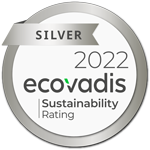
We were awarded a Silver medal from EcoVadis in 2022, placing us in the top 15% of companies in our sector for sustainability. For brands that want their supply chain to reflect their values, this kind of independent recognition provides meaningful assurance that goes beyond the product itself.

How do certifications affect the private label development process?

Certifications shape the private label development process by defining which ingredients, processes, and suppliers are permitted from the very start. When a manufacturer holds COSMOS or NATRUE certification, your formulation options are guided by those standards, which means ingredient selection, testing protocols, and documentation are all aligned with certification requirements before your product reaches market.

In practice, this means fewer surprises late in development. A certified manufacturer already knows which raw materials are approved, which processing methods are compliant, and what documentation regulators or certification bodies will require. For startups without an in-house regulatory team, this built-in expertise significantly reduces the risk of costly reformulations or compliance delays.

Certifications also affect packaging choices. COSMOS, for example, has guidelines on packaging sustainability that a certified manufacturer will already factor into their recommendations. Working with a certified partner means these considerations are integrated into the development process rather than bolted on at the end.

What questions should you ask a manufacturer about their certifications?

When evaluating a contract cosmetics manufacturing partner, ask direct questions about the currency, scope, and applicability of their certifications to your specific product and market. The most important questions cover whether certifications are active, which products they apply to, and whether the manufacturer can support your brand in achieving its own certified status.

  • Are your certifications current and independently audited? Ask for the certificate documents and check the expiry dates. Lapsed certifications are not valid.
  • Does ISO 22716 apply to all production lines or only specific ones? Some facilities hold GMP certification for part of their operations. Confirm it covers the product category you need.
  • Can you manufacture to COSMOS or NATRUE standards for my product? Holding a certification does not automatically mean every formulation qualifies. Confirm the manufacturer can produce your specific product within the standard’s requirements.
  • How do you handle raw material traceability? A certified manufacturer should be able to trace every ingredient back to its source and provide documentation on request.
  • What sustainability certifications do you hold, and what do they cover? Ask for the scope of any EcoVadis or equivalent ratings, including which areas scored highest and lowest.
  • Can you support my brand in achieving its own certifications? Some manufacturers can assist with the documentation and ingredient declarations needed for your brand to carry certified claims on pack.

The answers to these questions will quickly reveal whether a manufacturer’s certifications are substantive or simply marketing. A confident, transparent partner will welcome the scrutiny and provide clear documentation without hesitation.

How Rebel Nature helps with certified natural cosmetics manufacturing

Rebel Nature is a certified contract cosmetics manufacturer built specifically for natural and sustainable personal care brands. Whether you are launching your first product or scaling an existing line, Rebel Nature provides the certification infrastructure, formulation expertise, and regulatory support to bring compliant, market-ready products to life.

  • ISO 22716 certified production — all manufacturing takes place within a fully GMP-compliant facility, meeting the regulatory requirements for the EU and UK markets.
  • COSMOS and NATRUE capability — Rebel Nature can manufacture to both standards, with approved ingredient lists, compliant processes, and full documentation already in place to support your certification pathway.
  • EcoVadis Silver rating — independently verified sustainability performance placing Rebel Nature in the top 15% of companies in its sector, giving your brand a credible and transparent supply chain story.
  • Certification support for your brand — the team can provide the ingredient declarations, traceability documentation, and compliance records needed for your finished product to carry certified claims on pack.
  • Flexible minimum order quantities — suitable for startups and growing brands, with no requirement to compromise on certification standards to keep costs manageable.

If you are ready to build a natural personal care brand on a foundation of verified quality, ingredient integrity, and genuine sustainability, get in touch with Rebel Nature to discuss your project and find out how we can support your certification journey from day one.

Frequently Asked Questions

How long does it typically take to get a certified natural cosmetic product to market with a contract manufacturer?

The timeline varies depending on formulation complexity and the certification standard involved, but most brands should plan for 6 to 12 months from initial brief to finished product. COSMOS or NATRUE compliance adds documentation and ingredient verification steps that extend development compared to conventional cosmetics. Working with a manufacturer who already holds these certifications significantly compresses this timeline, since approved ingredient lists, compliant processes, and required documentation are already in place.

What happens if a manufacturer's certification lapses after I've already launched my product?

If your manufacturer's certification lapses post-launch, any certified claims on your packaging may no longer be defensible, and retailers or distributors who require certified supply chains could suspend your listings. You should include certification maintenance as a contractual requirement in your manufacturing agreement and request annual confirmation of renewal. It is also worth building a monitoring schedule into your brand's compliance calendar so you are never caught off guard by an expiry.

Can a small startup afford to work with a fully certified contract cosmetics manufacturer, or are certifications a sign of higher minimum order quantities?

Certified manufacturers are not exclusively for large brands — many work with startups and offer flexible minimum order quantities, particularly in the natural and sustainable personal care sector where small-batch innovation is common. The cost of working with a certified partner is often offset by the regulatory and reformulation costs you avoid by getting compliance right from the start. When comparing quotes, factor in the hidden costs of non-compliance, not just the unit price.

If my manufacturer is COSMOS-certified, does that automatically mean my finished product can carry a COSMOS logo?

No — a manufacturer holding COSMOS certification does not automatically transfer certified status to your brand or product. Your finished product must be separately certified under COSMOS, which requires submitting formulation details, ingredient documentation, and packaging information to a recognised certification body such as Ecocert or Soil Association. Your manufacturer can support this process by providing the necessary ingredient declarations and compliance documentation, but the brand-level certification is your responsibility to obtain and maintain.

What is the biggest mistake brands make when evaluating a manufacturer's certifications?

The most common mistake is accepting a manufacturer's word that they are 'certified' without requesting the actual certificate documents and verifying their current validity and scope. A certificate displayed on a website may be outdated, apply only to certain product lines, or cover a different facility than the one that would produce your product. Always ask for the original documents, check the expiry date, and confirm the scope explicitly covers your product category and production site.

Are there any certifications specifically relevant to selling certified natural cosmetics in the US market versus the EU?

Yes — while COSMOS and NATRUE have strong EU recognition, brands targeting the US market may also need to consider the NSF/ANSI 305 standard for personal care products containing organic ingredients, or work with manufacturers familiar with USDA Organic certification requirements. The US does not have a single mandatory natural cosmetics standard, so retailer-specific requirements — particularly from natural grocery chains — often drive which certifications are practically necessary. Discussing your target distribution channels with your manufacturer before formulation begins will help identify the right certification pathway for your market.

How do I verify that a manufacturer's EcoVadis or sustainability rating is genuine and up to date?

EcoVadis ratings are independently verified and tied to a specific assessment cycle, typically renewed annually. You can ask the manufacturer to share their EcoVadis scorecard directly, which will show the assessment date, the overall score, and performance across each category including environment, labour, ethics, and sustainable procurement. If a manufacturer claims a sustainability rating but cannot provide the scorecard or references an assessment from several years ago, treat that as a prompt for further scrutiny before committing to a partnership.